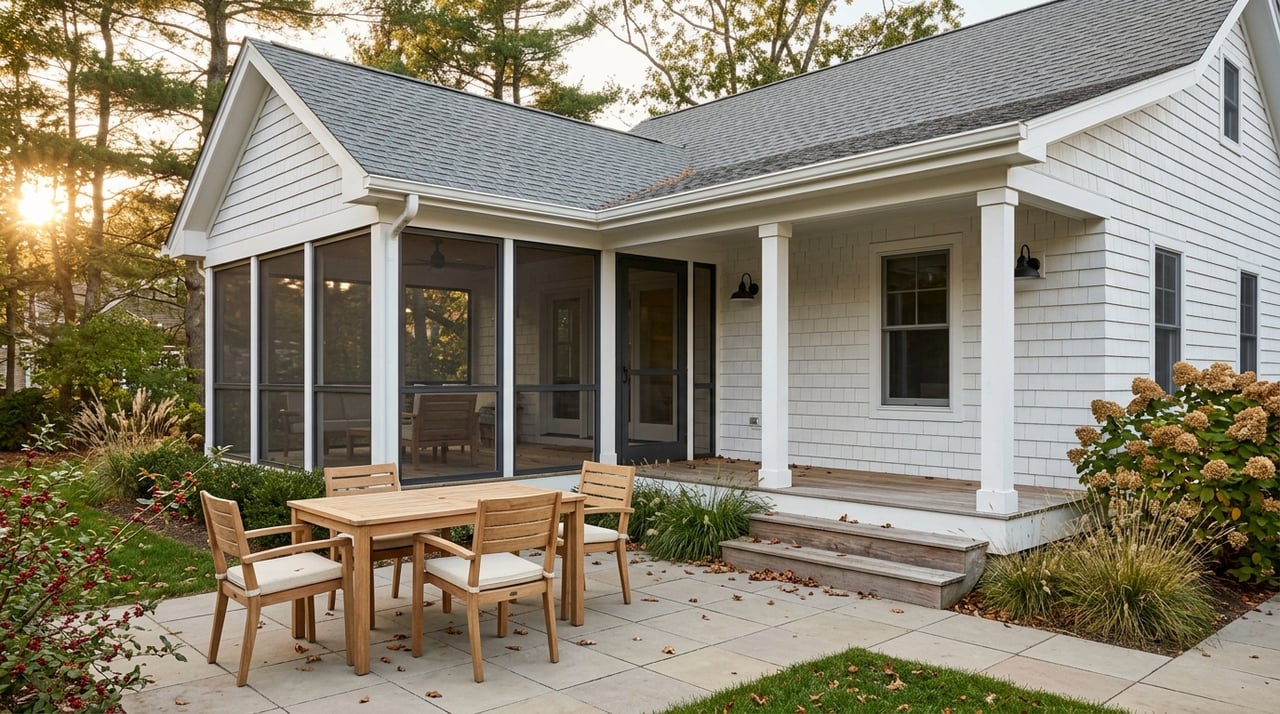
Wondering if a South Haven property could do more than give you a place to escape on Lake Michigan? If you are considering a second home or investment purchase here, short-term rental potential may be part of the appeal, but so are the rules, timing, and property details that shape what is actually possible. This guide will help you understand where opportunity exists in South Haven’s lakeshore market, what types of properties may fit, and why zoning and licensing matter before you buy. Let’s dive in.
Why South Haven draws rental demand
South Haven has a well-established visitor economy, which matters if you are evaluating short-term rental potential. The area is known for Lake Michigan access, a harbor, eight beach access points, ten public beaches, trails, and seasonal events that bring visitors to town throughout the year.
Tourism in South Haven is not built around one narrow lodging type. Local tourism information highlights vacation rentals alongside resorts, inns, bed and breakfasts, cottages, condos, and vacation homes, which shows that visitors already expect a range of stay options in the market.
For buyers, that is an important starting point. You are not trying to create demand from scratch. You are looking at a market where travelers already come for beaches, downtown access, seasonal events, and lakeshore recreation.
Seasonality shapes the opportunity
If you are underwriting a property for personal use, rental use, or both, seasonality should be part of your planning from day one. In South Haven, the strongest public indicators point to a clear warm-weather peak.
The city’s beach flag season runs from May 15 through September 15, and beach parking fees apply during that same period. Summer events like Harborfest in June and the National Blueberry Festival in August further support the idea that late spring through early fall is the busiest stretch for visitor activity.
That does not mean the market goes quiet outside summer. South Haven’s tourism messaging also promotes winter activities and off-season events such as Ice Breaker and New Year’s Eve, which suggests that shoulder-season weekends and winter stays can still add value for the right property.
What this means for buyers
If you are shopping with rental potential in mind, summer appeal will likely carry the most weight. Features like beach access, walkability, downtown proximity, and easy parking may matter most during peak season when visitor traffic is highest.
At the same time, year-round usability still matters. A property that works well for summer beach trips and cooler-season weekend getaways may offer broader appeal than one that relies only on peak-season demand.
Property types that may fit
One of the more useful things about South Haven’s market is that short-term rental potential is not tied to just one property style. Local visitor lodging includes cottages, condos, and vacation homes, which reflects a broader hospitality landscape than many buyers expect.
Within the City of South Haven, the zoning ordinance contemplates short-term rentals in several property formats. These include detached single-family dwellings, attached single-family dwellings, two-family dwellings, multiple-family dwellings, and units above another commercial use, depending on parcel location and approval status.
That creates a wider set of possibilities for city buyers. Depending on the parcel, you may be looking at cottages, duplex-style properties, some condo or multifamily options, or even certain mixed-use downtown opportunities.
In South Haven Charter Township, the picture is narrower. The township’s short-term rental ordinance applies only to single-family dwellings, so detached homes and cottages are the clearest fit there.
City and township are not the same
This is one of the most important points for any buyer or investor. South Haven is not one single short-term rental environment. You need to separate the City of South Haven from South Haven Charter Township because the rules are different.
In the city, short-term rentals are treated as a commercial use that is distinct from residential use. They are allowed as a special land use in the Short-Term Rental Overlay District and must meet city licensing and zoning requirements.
In the township, the ordinance applies to single-family dwellings only. That difference alone can change which listings deserve your attention and which ones may not fit your goals.
Why parcel location matters so much
A beautiful home near the water is not automatically a short-term rental candidate. In South Haven, parcel-specific factors can be just as important as the home itself.
Within the city, the property must align with the applicable overlay district and approval path. The city’s current framework also involves zoning compliance review, registration requirements, and inspections, which means feasibility should be checked before you close, not after.
This is where many buyers can make costly assumptions. A property may look perfect for summer guests, but if the parcel does not fit the current rules or approval path, the rental strategy may not work the way you expected.
Parking can make or break feasibility
Parking is one of the most practical filters in South Haven’s short-term rental market. Both city and township materials show how important parking is to compliance and day-to-day operation.
In the city, off-street parking requirements vary by dwelling type, and shared parking generally may not be used for short-term rentals. In the township, registration materials ask owners to disclose bedrooms, occupancy, parking spaces, and rental months.
For you as a buyer, that means lots with strong driveway capacity or dedicated off-street parking may deserve extra attention. Smaller parcels with tight site layouts may be more challenging, even when the home itself is attractive.
South Haven’s city licensing path
If you are looking inside the City of South Haven, expect an actively managed process rather than a simple registration form. The city requires short-term rental dwelling units to be registered and reviewed under its current system.
The city has also stated that completed zoning compliance reviews are currently taking about four months. New rentals in the overlay district require a Special Land Use application, and the city has noted that conditional licenses were allowed for the 2026 season beginning March 27, 2026.
The city currently uses multiple license classes. Class I allows unlimited rental, with no more than two rental stays during a seven-day period, and requires proof of $1 million in liability insurance at application. Class II allows six rental terms or 28 rental days per calendar year and requires rental dates to be provided to the short-term rental coordinator before guests arrive.
The city also operates a 24/7 complaint hotline, and the local agent must acknowledge a complaint within 45 minutes. That tells you the program is structured, monitored, and enforced.
What regulated really means
South Haven’s rules do not mean short-term rentals are off the table. They mean you should evaluate them with care.
The city ordinance says short-term rentals must operate in a way that is compatible with the neighborhood and must not create a nuisance through excessive noise, smoke, odor, or unreasonable traffic. That makes management style part of the investment conversation, not just nightly rates or peak-season demand.
If you are buying for both personal enjoyment and guest use, think beyond location and finishes. Ask whether the property supports the kind of responsible operation the city or township expects.
Tax planning should be part of underwriting
Michigan tax rules also belong in the early planning stage. The state imposes a 6% sales tax on taxable retail sales and a 6% use tax on taxable items, and the Michigan Department of Treasury states that use tax also applies to hotel and motel accommodations.
Treasury also notes that Michigan does not allow cities or local units to impose sales tax or use tax. For buyers considering short-term rental income, that means state-level tax compliance should be part of your underwriting conversation along with any property tax and income tax questions you review with a qualified professional.
A smart way to evaluate STR potential
If short-term rental use is part of your purchase criteria, it helps to look at South Haven property through a practical lens. The goal is not just to find a home you love. It is to find one that fits your use plan and the current local rules.
Here are a few of the right questions to ask early:
- Is the property in the City of South Haven or South Haven Charter Township?
- If it is in the city, is the parcel in the Short-Term Rental Overlay District?
- What approval or licensing path applies today?
- How much dedicated off-street parking does the property have?
- Does the property type match what the city or township allows?
- Are you planning for peak summer demand only, or for shoulder-season use too?
Those questions can quickly narrow the field and help you avoid properties that look promising online but do not align with your goals in practice.
Why local guidance matters
South Haven can be a compelling place to buy a second home or investment property because the visitor demand story is real. The area has an established vacation identity, strong summer draw, and lodging patterns that support several property types.
But this is also a market where location, zoning, parking, and licensing carry real weight. The best buying decisions usually come from pairing lifestyle goals with careful parcel review, not from assuming every lakeshore-area property can be rented short term.
If you are considering a South Haven purchase with short-term rental potential in mind, working with a local expert can help you focus on properties that fit both your vision and the current rules. For tailored guidance on South Haven lakeshore homes, second homes, condos, and investment opportunities, connect with Amy Osullivan.
FAQs
What makes South Haven attractive for short-term rentals?
- South Haven has a well-established visitor economy centered on Lake Michigan beaches, harbor access, trails, seasonal festivals, and a range of lodging options that already includes vacation rentals.
When is peak short-term rental season in South Haven?
- Public indicators suggest the strongest season runs from late spring through early fall, with beach flag season and beach parking fees both running from May 15 to September 15.
Can condos work as short-term rentals in South Haven?
- In the City of South Haven, the ordinance contemplates short-term rentals in multiple property types, which may include some condo or multifamily settings depending on parcel location and approval status.
Are short-term rental rules the same in South Haven city and township?
- No. The City of South Haven and South Haven Charter Township have different rule structures, and the township ordinance applies only to single-family dwellings.
Why is parking important for South Haven short-term rentals?
- Parking is a key feasibility factor because city rules require off-street parking based on dwelling type, and township registration materials also ask owners to disclose parking spaces.
What should buyers verify before purchasing a South Haven property for rental use?
- Buyers should confirm the exact jurisdiction, parcel zoning status, applicable licensing path, parking capacity, and whether the property type fits current city or township short-term rental rules.