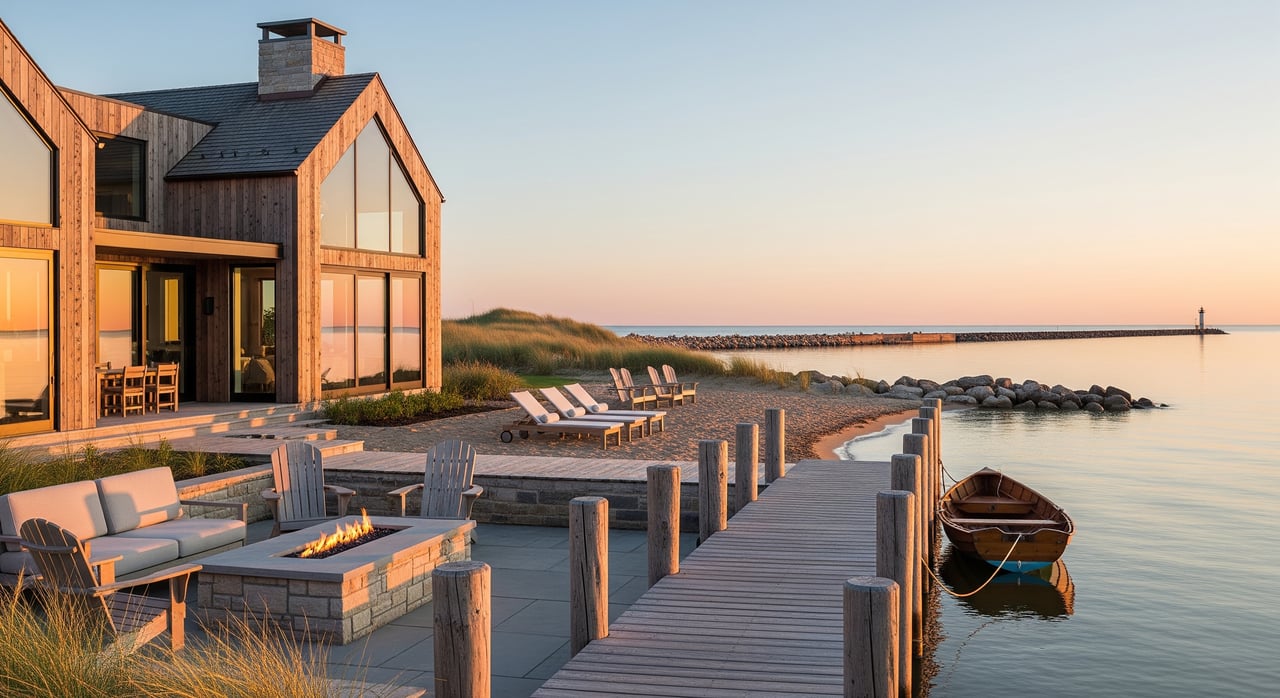
Imagine stepping onto the sand with coffee in hand as gulls skim Lake Michigan and the lighthouse glows in the early light. If you are picturing yourself here, you are also likely weighing the practical side: costs, care, rules, and how often you will really use it. In this guide, you will get a clear, realistic picture of life in a South Haven lake house, from summer rhythms to winter routines, plus smart ownership tips. Let’s dive in.
A day in a South Haven lake house
Morning on the water
Start with a quiet beach walk, watch fishing boats head out, or launch a paddleboard while the lake is calm. Many owners enjoy easy access to South and North beaches and the pier views that make this shoreline iconic. If you prefer a land start, the Kal-Haven Trail offers an early bike ride before the day warms.
Afternoons of play
Warm months are all about swimming, kayaking, sailing, or joining a fishing charter. Marinas and harbors are active, and you will see families flowing between the beach and downtown for ice cream and gallery stops. If you like variety, nearby parks and nature preserves make hiking and birding easy add-ons to the day.
Evenings in town
Sunset is the main event, and it never gets old. Afterward, you can wander downtown for dinner, a seasonal concert, or a quiet stroll past storefronts and the farmers market area. The Michigan Maritime Museum adds a cultural touch, especially when friends visit and you want something memorable beyond the beach.
Seasons and how you live
Peak summer
From late May through September, the energy rises. Beaches fill, marinas are busy, and short-term rentals see strong demand. Many second-home owners spend several long weekends plus multiweek stays in July and August.
Spring and fall
April to May brings blossoms and shorebird migration, while September to October delivers calmer beaches and vivid color. These shoulder seasons are prized for quieter stays. Boat prep in spring and haul-out in late fall become part of your calendar.
Winter quiet
From November to March, town slows and some businesses reduce hours. You might cross-country ski, snowshoe, or enjoy a peaceful weekend by the fire. Winter also adds responsibilities like snow removal, pipe protection, and monitoring for storm events.
What ownership really costs
Recurring expenses to expect
- Homeowners, wind, and flood insurance, especially if the property is in a FEMA-designated flood zone.
- Property taxes that vary by municipality and homestead status.
- Utilities, plus potential well and septic maintenance for properties outside city services.
- Seasonal tasks like HVAC service, winterization, landscaping, pest control, and painting from lake-related wear.
- Boat storage and dock care if you keep watercraft.
- Cleaning, turnovers, and local property management if you prefer a hands-off approach.
Big-ticket considerations
- Shoreline projects, seawalls, dune stabilization, and structural repairs tied to storms or erosion can be significant.
- Budget for long-term capital items, not just annual upkeep. A reserve set aside each year can help you act quickly after severe weather.
Rules you will navigate
Zoning and permits
City and township rules differ for additions, decks, shoreline structures, and docks. You will apply for permits and follow setbacks based on local zoning. Plan to coordinate early with the appropriate planning department so timelines and designs stay on track.
Shoreline and dunes
Parts of the coast fall under dune protection regulations. Projects near the shore may require state review and permits. The public trust doctrine and the ordinary high-water mark shape what is public versus private along the beach, so it is wise to confirm your exact boundaries and any easements.
Short-term rentals
Demand is strong in summer, yet rules change and can vary by jurisdiction. Expect licensing, safety standards, occupancy limits, and possible local lodging taxes. If renting is part of your plan, confirm current ordinances and taxes before counting on income.
Taxes and homestead status
Michigan’s millage rates vary by municipality and school district. Primary residences benefit from homestead rules that affect taxable value growth, while second homes are treated differently. Review current millage rates and how they apply to your parcel before you buy.
Risk and insurance on the lakeshore
Flood and FEMA maps
Some lakefront parcels are in FEMA flood zones. Lenders may require flood insurance, and even when they do not, coverage is often recommended. Confirm parcel-specific maps during due diligence.
Wind, waves, and storms
Lake Michigan’s storms can damage stairs, seawalls, and landscaping. Insurance costs for wind and storm coverage tend to be higher on the waterfront. An insurance agent experienced with Great Lakes properties can help you right-size coverage.
Erosion awareness
Shorelines shift over time. Knowing the local erosion history and recent storm impacts helps you make informed choices about improvements, setbacks, and long-term plans.
Utilities and access
Water, sewer, and septic
Homes within city limits often connect to municipal services. Properties outside the city may rely on wells and septic systems, which require periodic inspections, pump-outs, and eventual replacement planning.
Internet and cell coverage
Coverage is generally strong in and near town, with some variability in rural or wooded stretches. If remote work matters, verify service options at the address rather than assuming.
Getting here and around
South Haven is a practical weekend drive from larger Midwest metro areas. A car is useful for errands and exploring beyond downtown, while the walkable core makes it easy to park once and enjoy the day.
Tips to make ownership easy
- Build a seasonal calendar. Schedule HVAC service, winterization, boat prep, and fall haul-out.
- Line up trusted help. A local property manager, snow service, and preferred trades can save you time.
- Plan for storms. Keep an inspection checklist for stairs, decks, and shoreline after high-wind events.
- Keep guest-ready supplies. Beach gear, bike tools, and a simple owner’s manual make visits smooth.
- If renting, align early. Confirm permits, safety requirements, and booking windows well before summer.
Is a South Haven lake house a fit for you?
- How often can you visit during peak months and shoulder seasons?
- Do you prefer a turnkey or hands-on maintenance routine?
- Will you bring a boat or charter locally?
- Is short-term renting part of your plan, and do the current rules support it?
- Does the property’s risk profile match your insurance comfort level and budget?
How an expert makes it seamless
Choosing the right shoreline property takes local knowledge. A specialist can guide you on erosion history, flood mapping, zoning, dune protections, marina options, and rental rules. You also benefit from vetted vendors for inspections, insurance, winterization, staging, cleaning, and ongoing care.
With multi-decade lakeshore experience, advanced designations and a concierge approach, Amy helps you match lifestyle goals with smart due diligence and tailored marketing if you later decide to sell. From first tour to closing and beyond, you get a clear plan for ownership and a trusted local point of contact.
Ready to picture your own porch at sunset? Start the conversation with Amy Osullivan and explore the shoreline homes that fit your life.
FAQs
When is peak season for South Haven lake houses?
- Peak use runs from late May through September, with the highest occupancy and visitor activity in July and August.
What are common annual costs for a South Haven lake house?
- Typical items include insurance, property taxes, utilities, HVAC service, winterization, boat storage, dock care, landscaping, pest control, and property management.
Are South Haven lakefront homes in flood zones?
- Some parcels are in FEMA flood zones; confirm the specific property on current maps and plan for flood insurance if required or recommended.
Can I rent my South Haven lake house short term?
- Summer demand is strong, but rules vary by jurisdiction and can change; check licensing, safety standards, occupancy limits, and any lodging taxes before listing.
Do I need special permits for shoreline or dune work?
- Projects near the shore may require local permits and state review under dune protection rules; coordinate with planning offices early in your design process.
What is winter like for lake house owners in South Haven?
- Town is quieter, some businesses reduce hours, and owners focus on snow removal, freeze protection, and property checks while enjoying peaceful weekends and winter activities.