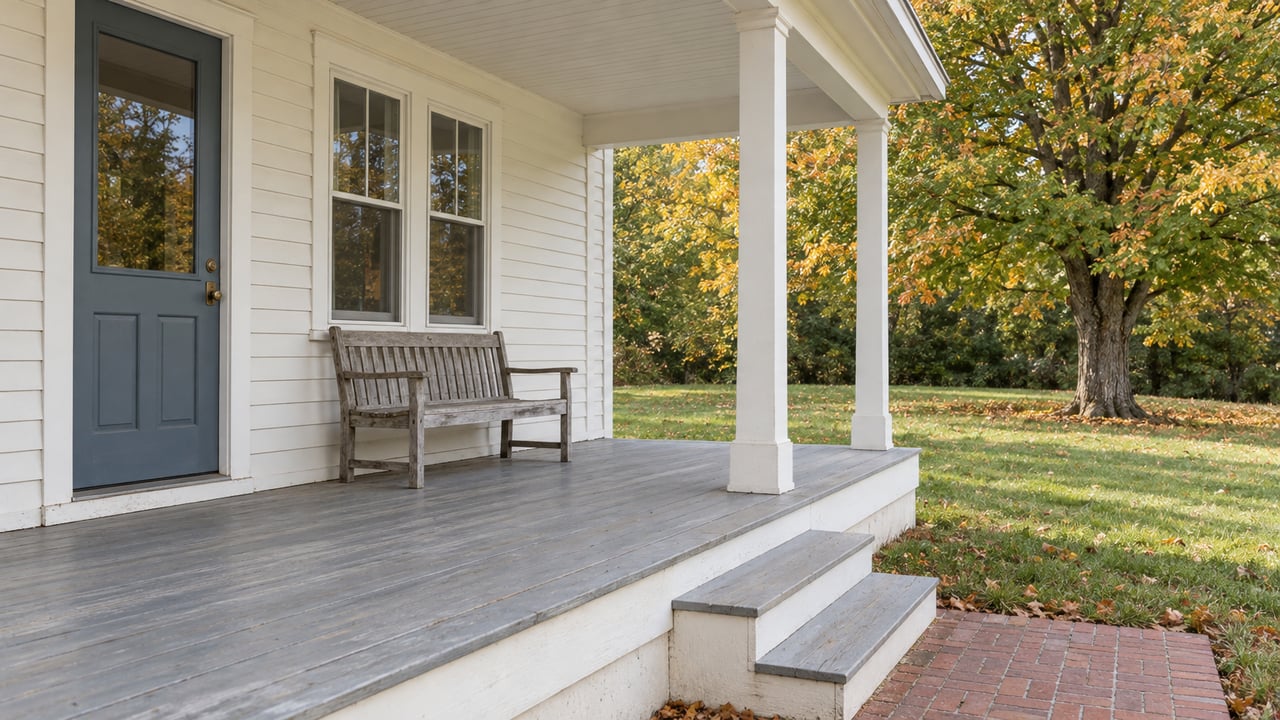
Dreaming about a low-maintenance place near Lake Michigan? Condo living in South Haven can be a smart fit if you want easier upkeep, flexible second-home use, and quick access to beaches, boating, and downtown. The key is knowing that with condos, your lifestyle is shaped not just by the unit itself, but also by the association rules, city regulations, and shared financial structure. Let’s dive in.
Why South Haven Condo Living Appeals
South Haven’s draw starts with location and lifestyle. The city is known for its Lake Michigan setting, marina activity, walkable downtown, trails, parks, and nine public city beach access points.
For many buyers, that makes a condo less about a long list of private amenities and more about proximity. You may be looking for a lock-and-leave second home, a full-time residence with less exterior maintenance, or a property near the shoreline and harbor energy that defines South Haven.
That lifestyle can be especially appealing if you want to spend more time enjoying the area and less time handling yard work or ongoing exterior repairs. Still, condo ownership comes with a different set of responsibilities than owning a standalone home.
How Michigan Condo Ownership Works
In Michigan, when you buy a condo, you own your individual unit and share the common elements with other co-owners. The project’s master deed sets each unit’s percentage of ownership, and that percentage can affect your monthly fees, repair assessments, and voting power.
The condo association manages the common elements. Michigan also recognizes site condominiums, which can look like detached homes but are still governed by condominium documents rather than a traditional subdivision structure.
That means the listing sheet only tells part of the story. Your day-to-day ownership experience is also defined by the master deed, bylaws, and project rules, and owners, tenants, and occupants are expected to follow them.
Why the condo documents matter
Before you buy, it helps to treat the condo documents as part of the property itself. Michigan’s condo handbook notes that bylaws can restrict pets, rentals, outdoor displays, and some modifications.
In other words, a unit may look perfect on paper but still not fit your plans. If you want to bring pets, make updates, or use the property part-time, those documents deserve close review early in the process.
Board control can affect your experience
If you are considering a newer development or a condo conversion, ask who is currently running the board. The transition from developer control to owner control can matter, especially if rules or operating practices are still being finalized.
This is one of those details that may not stand out during a showing, but it can shape how predictable ownership feels after closing. Clear governance usually supports a smoother ownership experience.
Condo Fees, Reserves, and Assessments
Monthly dues are one of the biggest topics for condo buyers, and for good reason. In Michigan, associations must maintain a reserve fund for major repairs and replacement of common elements, with a minimum equal to 10% of the annual budget on a non-cumulative basis.
Those reserves matter because they help a community plan for larger expenses. If the association needs more money beyond the regular budget, it may assess owners for additional amounts.
Unpaid monthly fees or assessments can become a lien on the unit. That is why it is important to understand not only the current monthly dues, but also the association’s financial health and track record.
What to review financially
Before closing, ask for:
- The current association budget
- The reserve balance
- Recent financial statements
- The history of special assessments
- Any planned capital projects
Michigan also requires associations to keep books and records and make current copies of condo documents available to co-owners, prospective purchasers, and prospective mortgagees. If a community is well organized and transparent, that usually makes your review process much easier.
Insurance Questions to Ask
Insurance is another area where condo buyers need clarity. According to the Michigan Department of Insurance and Financial Services, an HO-6 policy is the standard homeowners-style policy for condo owners.
An HO-6 policy generally covers your contents and the part of the dwelling that belongs to you, including alterations, appliances, fixtures, and improvements. That is different from the association’s master policy, which covers other portions of the property based on the project’s structure and documents.
If you are buying near the lake or in an area where water intrusion is a concern, ask detailed questions. DIFS notes that standard homeowners insurance does not cover flood damage, so South Haven buyers should verify whether separate flood coverage is needed and whether the association’s master policy and deductibles leave any gaps.
Key insurance items to review
Make sure you understand:
- What the association master policy covers
- The deductible structure
- What your personal HO-6 policy should cover
- Whether flood coverage may be needed
- Any exclusions that could affect water-related claims
This is especially important in a lakeshore market, where buyers often focus on views and location first. Insurance details are not glamorous, but they are part of making a confident purchase.
Short-Term Rental Rules in South Haven
If you are thinking about a condo as a second home that might also generate rental income, South Haven rules deserve careful attention. In the city of South Haven, a short-term rental is defined as a rental term of 2 to 29 nights.
The city requires annual registration for short-term rentals, a local agent within 45 miles, posted contact information, inspections, and an annual administrative fee. The zoning ordinance treats short-term rentals as a commercial use and allows them only as a special land use in the Short-term Rental Overlay District, subject to the underlying zoning and city licensing requirements.
There is also a grandfathering provision for certain attached condominium units that were used as short-term rentals before June 30, 2018, if the application was timely filed. That means rental potential can vary from one property to another based on location, project history, and city approval status.
The association may be stricter than the city
Even if the city allows short-term rental use, the condo association may still have tighter rules. Michigan law allows associations to amend condominium documents regarding rentals or occupancy terms, and tenants and occupants must comply with the project rules.
For leasing, the owner must disclose the rental in writing to the association at least 10 days before giving possession and provide the lease for review. If your goal is occasional renting, it is essential to confirm both the city rules and the condo rules, not just one or the other.
City and township rules may differ
Not every South Haven-area property falls under the same local rules. If a condo is in South Haven Charter Township rather than the city, buyers should confirm township regulations separately because the township has its own short-term-rental ordinance.
That distinction matters more than many buyers expect. A property with a South Haven mailing address may still be subject to different local regulations depending on its exact location.
What to Review Before Closing
A condo purchase works best when your intended use lines up with the governing documents and local rules. Before you move forward, focus on the items that can most affect your ownership experience and future flexibility.
Review the master deed and bylaws
Confirm:
- Unit boundaries
- Limited common elements
- Repair responsibilities
- Rental rules
- Pet rules
- Whether changes to the unit need approval
These details can shape everything from how you furnish outdoor space to whether you can make design updates later.
Review budget and reserves
Look closely at the financial side of the association. Adequate reserves and a clear budget can signal a more predictable ownership experience, while weak reserves may increase the risk of future assessments.
Review insurance documents
Read the master policy, deductible information, and any exclusions carefully. This is where you can identify possible gaps between the association’s coverage and your personal responsibility.
Review rental and occupancy rules
If you hope to use the condo as both a getaway and an income-producing property, verify whether rentals are allowed now and remember that association rules can be amended later. Your future plans matter just as much as your current plans.
Review financing fit
If you plan to use FHA financing, confirm whether the project is FHA-approved or may qualify for single-unit approval. Condo project eligibility can affect your financing path and timeline.
Resale Value and Long-Term Fit
When you buy a condo in South Haven, you are also thinking ahead to resale, even if this feels like a long-term purchase. Projects with understandable rules, adequate reserves, solid insurance, and limited unresolved disputes are often easier for future buyers and lenders to evaluate.
That can matter in a market where condo demand is closely tied to lifestyle goals. Some buyers want full-time living, while others are focused on a second-home pattern with easy upkeep and possible rental flexibility.
A helpful way to think about it is this: the condo documents are part of the value. The strongest purchases are usually the ones where the intended use, the association documents, and local zoning all line up from the start.
If you are weighing condo options in South Haven, having a local guide can make the process much clearer. Amy Osullivan can help you compare properties, review the practical differences between communities, and find a condo that fits how you want to live and use the home.
FAQs
What does condo ownership in South Haven mean in Michigan?
- In Michigan, you own your unit and share the common elements with other co-owners, with rights and responsibilities defined by the master deed, bylaws, and project rules.
What should buyers review before buying a South Haven condo?
- Buyers should review the master deed, bylaws, budget, reserve balance, assessment history, insurance documents, rental rules, pet rules, and any approval requirements for changes to the unit.
Can you use a South Haven condo as a short-term rental?
- Possibly, but it depends on the property’s location, zoning, city licensing rules, and the condo association’s documents, which may be stricter than city rules.
What insurance do South Haven condo buyers usually need?
- Condo owners commonly need an HO-6 policy for their contents and owner-responsible parts of the unit, and they should also check whether separate flood coverage is needed.
Why do condo reserves matter in South Haven?
- Reserve funds help cover major repairs and replacement of common elements, and stronger reserves can reduce the risk of unexpected special assessments and support smoother resale later.