Thinking about a place by the lake where you can unwind on Friday night and be back home by Sunday? If South Haven has your heart, the next big question is how to finance a second home confidently. You want clear options, local insights, and a plan that fits your lifestyle and balance sheet. In this guide, you’ll learn the main loan paths, what lenders expect, costs to budget in a Lake Michigan shoreline community, and a simple step-by-step plan to move forward. Let’s dive in.
Financing options at a glance
- Conventional second-home loans: Conforming agency loans with competitive rates for personal-use second homes below the conforming limit.
- Jumbo loans: Used when your loan amount exceeds the conforming limit, often for higher-priced lakefront properties.
- HELOCs and second liens: Tap equity in your primary residence to fund a down payment or even the entire purchase.
- Portfolio loans: Flexible programs from banks or credit unions for unique properties or complex borrower profiles.
Conventional second-home loans
Conventional second-home loans are popular when your purchase price keeps the loan under the current conforming limit for the county. Lenders typically look for a minimum down payment around 10 percent, though many buyers choose 15 to 20 percent to improve pricing. Second-home rates are usually a bit higher than primary-home rates, and lenders want strong credit and stable income.
Underwriting for second homes is tighter than for primary residences. Lenders often prefer mid-700s credit for the best terms, aim for a debt-to-income ratio under about 43 to 50 percent depending on the lender, and commonly ask for 2 to 6 months of cash reserves. The home must be for your personal use as a second home. If you plan to rent it out regularly, many lenders will classify it as an investment property with stricter terms.
When a conforming loan fits in South Haven
South Haven has a mix of cottages, condos, and single-family homes. If your target home keeps you under the conforming limit, a conventional second-home loan can be efficient and cost-effective. This route works well when you can document strong credit, manageable DTI, and a clear plan for personal use.
Jumbo loans for lakefront buys
If your loan amount exceeds the conforming limit, you’ll move into jumbo territory. Jumbo lenders often ask for 20 percent down or more, and for some second-home scenarios 25 to 30 percent can be common. Expect higher reserve requirements and stricter credit standards. Rates may be similar to or modestly higher than conforming loans, but pricing is very lender-specific and sensitive to your credit profile and liquidity.
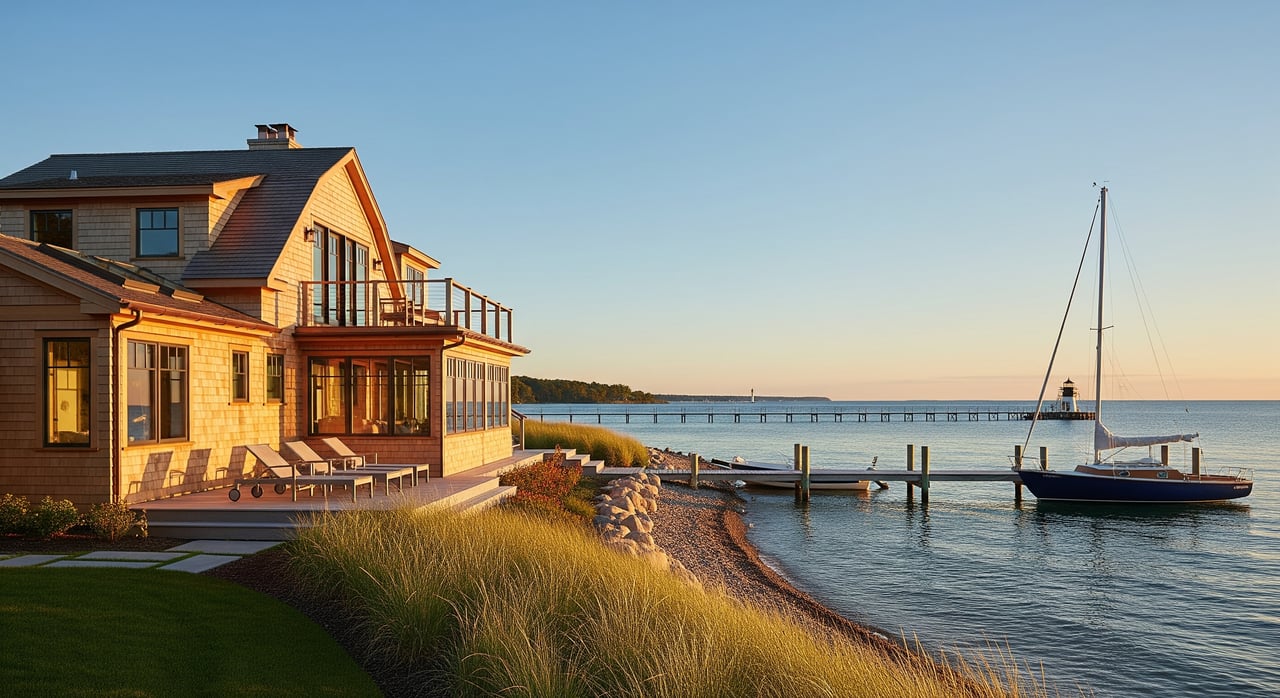
Waterfront properties can add complexity. Unique features and limited comparable sales often require specialized appraisers, and insurers may price higher for wind and storm exposure. These details matter when a lender evaluates risk for a jumbo second home.
How jumbo lenders underwrite
Jumbo lenders look closely at your total financial picture. Many target DTI around 43 percent, though some non-agency programs allow flexibility with strong compensating factors like substantial reserves or a lower loan-to-value ratio. Plan for 6 to 12 months of reserves, and be prepared to document assets, income, and any non-W-2 earnings thoroughly.
HELOCs and second liens
Home equity lines of credit on your primary residence can be a flexible way to fund part or all of a South Haven purchase. Many buyers use a HELOC for the down payment on a conventional or jumbo loan, or as a bridge solution before selling another asset. Lenders often cap combined loan-to-value on your primary residence around 80 to 90 percent, subject to your credit and overall profile.
HELOCs are commonly variable-rate, so you should consider interest rate risk. Interest deductibility depends on how the funds are used and current tax rules. If you like liquidity and speed, a HELOC can be a useful tool, as long as the monthly obligations still keep your DTI in range and you maintain adequate reserves.
Smart ways to use a HELOC
- Cover a 15 to 20 percent down payment to lock better pricing on a conforming second-home loan.
- Bridge a purchase if you plan to sell another property later.
- Avoid moving a low-rate first mortgage on your primary residence by using a second lien instead.
Portfolio loans and private banks
Portfolio lenders, including community banks and private banks, keep loans on their own books and can tailor terms. This can help if your South Haven purchase involves a non-warrantable condo, a property with unique characteristics, or a scenario where you need alternative documentation. Tradeoffs often include higher rates and fees than standard agency loans, and requirements vary widely.
When a portfolio loan can help
- You are purchasing a unique lakefront home with limited comparable sales.
- The condo project has features that make it non-warrantable under agency rules.
- You have complex income, such as K-1s or significant asset-based qualifications.
- You want features like interest-only periods or customized reserve treatment.
What lenders expect from you
Second homes add risk for lenders, so preparation pays off. Here’s what most will look for:
- Credit: Mid-700s scores are commonly cited for the best terms. High-600s can be approved with tradeoffs like higher rates or larger down payments.
- DTI: Many lenders want your total DTI below about 43 percent for agency loans. Some jumbo or portfolio programs will allow higher with compensating factors.
- Down payment: About 10 percent minimum is common for conventional second homes, with many buyers choosing 15 to 20 percent. Jumbo programs often start at 20 percent and can run 25 to 30 percent.
- Reserves: Expect 2 to 6 months of PITI for conforming loans and 6 to 12 months or more for jumbo or non-agency programs.
- Documentation: Be ready with two years of tax returns, recent pay stubs, W-2s, bank and brokerage statements, and explanations for large deposits. If you use a HELOC, lenders will verify balances and combined loan-to-value.
Costs to budget in South Haven
Second-home loans typically price a bit higher than primary-home loans. You can often expect about a 0.25 to 0.75 percent rate spread, depending on the lender and your profile. Jumbo pricing varies widely by lender and borrower strength.
Standard closing costs apply, including origination, appraisal, title, and recording. Waterfront or complex properties may need a full interior and exterior appraisal and sometimes a specialist familiar with shoreline homes.
Insurance is a big factor on the lakeshore. Hazard premiums can be higher for wind and storm exposure, and flood insurance is required if the home is in a mapped flood zone. If you leave the property vacant at times, ask about seasonal or vacancy clauses. Budget for upkeep that is common in South Haven, such as winterizing, landscaping, and any waterfront or dock maintenance.
Flood and coastal checks
Lake Michigan shoreline properties can fall within flood plains or have dune setback considerations. A flood-zone determination is often part of loan underwriting and will confirm whether flood insurance is required. Also consider historic shoreline behavior and any local permit requirements for repairs or improvements.
Short-term rental rules
If you plan to rent your home periodically, verify local rules in the City of South Haven and Van Buren County before you buy. Frequent short-term rental activity can cause lenders to classify the property as an investment, which usually means higher down payments, higher rates, and larger reserve requirements. Clarify your intended use early in the loan process.
Step-by-step financing game plan
- Set a target price range. Decide if your loan will be conforming or jumbo. This frames down payment and reserve expectations.
- Get prequalified with multiple lenders. Compare a national lender for agency pricing, a regional bank for jumbo options, and a local portfolio lender for flexibility.
- Clarify your use. Personal-use second home, occasional rental, or investment. Tell your lender up front to avoid surprises.
- Plan for the shoreline. Order a flood determination and price out hazard and flood insurance early.
- Assemble documentation. Gather tax returns, pay stubs, brokerage statements, and evidence of liquid reserves.
- If using a HELOC, check CLTV. Confirm combined loan-to-value limits, seasoning rules, and potential rate variability.
- Discuss appraisal strategy. Waterfront or unique properties often benefit from lenders who work with experienced local appraisers.
- Finalize monthly budget. Account for mortgage, taxes, insurance, utilities, maintenance, and reserves.
Common scenarios and options
- You want a classic cottage for personal use. A conventional second-home loan with 15 to 20 percent down and 2 to 6 months of reserves can be a strong fit if the loan stays under the conforming limit.
- You are eyeing a premium lakefront property. A jumbo loan is likely. Plan for 20 to 30 percent down, 6 to 12 months of reserves, and an appraisal that captures unique shoreline value.
- You prefer to tap equity instead of selling investments. A HELOC on your primary residence can fund the down payment or more. Keep an eye on variable rates and confirm combined loan-to-value with the lender.
- The condo you love is non-warrantable. A portfolio loan may be the most practical path, trading a bit of rate for flexibility.
Work with a shoreline specialist
Financing is only one piece. In South Haven and Van Buren County, the details around flood zones, insurance, appraisal comps, and local rental rules can shape your loan choice and your overall cost of ownership. A local specialist can help you position your offer, connect you with lenders who understand second homes and waterfronts, and coordinate the right inspections and insurance quotes early.
If you are ready to explore the best path for your South Haven second home, reach out to Amy Osullivan. You will get concierge guidance, curated property options, and introductions to trusted lenders and vendors to keep your purchase smooth and confident.
FAQs
How much down payment do second-home loans require in South Haven?
- For conventional second homes, about 10 to 20 percent is typical; jumbo loans often start at 20 percent and can run 25 to 30 percent depending on the lender and property.
Are second-home mortgage rates higher than primary-home rates?
- Usually yes; expect about a 0.25 to 0.75 percent spread, with actual pricing varying by lender, borrower profile, and whether the loan is conforming or jumbo.
What cash reserves do lenders want for a South Haven second home?
- Conforming second homes commonly require 2 to 6 months of PITI, while jumbos and some non-agency loans can require 6 to 12 months or more.
Can I rent my South Haven second home on a short-term basis and still qualify as a second home?
- Frequent short-term rentals often push the classification to investment property, which brings higher down payments, higher rates, and larger reserves; disclose your plan to your lender early and confirm local rules.
What insurance should I plan for with a Lake Michigan shoreline property?
- Budget for higher hazard premiums, potential flood insurance if the home is in a flood zone, and endorsements related to seasonal vacancy; get quotes early in the process.
Is interest on a second-home mortgage tax-deductible?
- Mortgage interest can be deductible under federal rules, subject to overall limits and how you use the funds; consult a tax advisor for your specific situation.