Buying a Lake Michigan home in South Haven comes with a unique set of rights and responsibilities along the water’s edge. If you have heard terms like riparian rights, ordinary high water mark, or public trust and felt unsure how they affect your plans, you are not alone. The good news is you can understand the basics well enough to protect your purchase and your long-term enjoyment. This guide breaks down what matters most for South Haven buyers and where to go for official answers. Let’s dive in.
Riparian vs. littoral rights
You will see the words riparian and littoral used for waterfront property. In simple terms, riparian usually refers to rivers and streams, while littoral refers to lakes and oceans. In South Haven, most buyers look at Lake Michigan frontage or nearby inland lakes, so littoral concepts apply. Many people still say riparian for both, and you will encounter both terms in everyday use.
Your rights depend on your deed, recorded easements, and where the legal boundary sits relative to the water. Those details control what you can use, what you must share, and where public rights begin.
Why OHWM matters
The ordinary high water mark, or OHWM, is the key legal boundary along Great Lakes shorelines in Michigan. It separates private upland areas from state-controlled bottomlands and areas tied to public trust rights. The OHWM is identified by physical signs like changes in vegetation, staining, and slope. It can shift over time with gradual accretion or erosion.
Michigan courts, including in Glass v. Goeckel, recognize the OHWM as central to sorting out public and private use along Great Lakes beaches. For you as a buyer, that means the precise location of the OHWM on your lot is often more important than a simple “waterfront” label.
Public trust on beaches
Michigan holds the submerged lands and bottomlands of the Great Lakes in trust for the public. In general, the public has rights to navigate, fish, swim, and enjoy related recreation waterward of the OHWM. Private ownership commonly begins at or landward of the OHWM if your deed conveys that interest.
The bottom line for day-to-day living is this. You can usually control access and activities on your private upland, but you cannot exclude the public from lawful use below the OHWM. Because every property is different, a survey and careful deed review will help you understand the exact limits.
Permits and agencies
Work along Lake Michigan or on inland lakes often requires permits. You should assume that anything that changes the shoreline, touches the water, or occupies bottomlands may trigger review.
- State of Michigan: The Department of Environment, Great Lakes, and Energy (EGLE) oversees most shoreline and Great Lakes bottomlands work. Start with the EGLE Shorelands and Great Lakes pages for guidance and permit pathways. You can explore the process using the EGLE Shorelands and Great Lakes permitting overview on the state site.
- Federal: Projects that involve dredging, filling, or structures in navigable waters may also require U.S. Army Corps of Engineers authorization. Check federal requirements early if you plan dredge, fill, or significant construction.
- Michigan DNR: The Department of Natural Resources manages fisheries, wildlife, and some public recreation areas. See the Michigan DNR site for resource-related questions.
- Local: The City of South Haven, South Haven Township, and Van Buren County have zoning, setbacks, and building permits. Many local ordinances include special shoreline standards and dune protections.
Helpful resources:
- Review EGLE’s Shorelands and Great Lakes permitting guidance for steps and contacts: EGLE Shorelands and Great Lakes overview.
- See how Michigan coordinates coastal policy at the NOAA Coastal Zone Management overview for Michigan.
- For statutes and definitions, use the Michigan Legislature site.
- For resource stewardship, visit the Michigan DNR.
Activities that often need permits
These common shoreline activities usually require state review and sometimes federal and local approvals:
- Building or replacing seawalls, revetments, groins, or bulkheads.
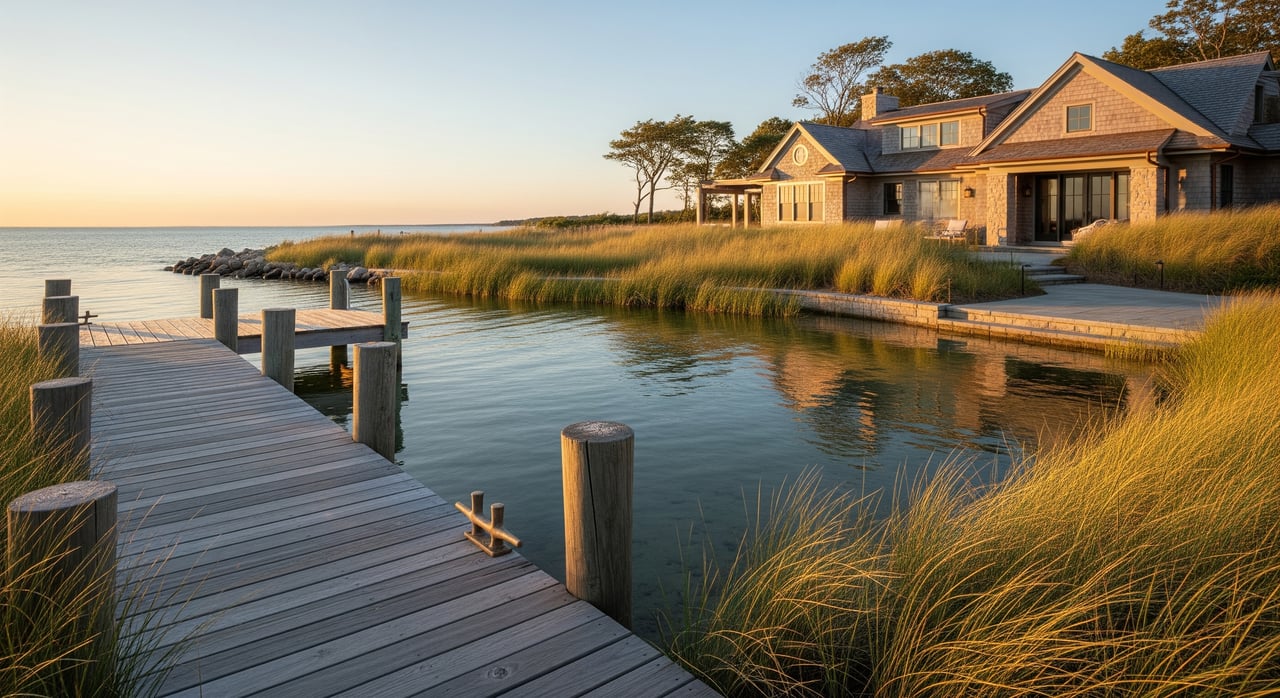
- Placing or enlarging docks, piers, or boat lifts over bottomlands.
- Beach nourishment, sand placement, or moving sand dunes.
- Dredging, filling, or reshaping shoreline grades.
- Removing vegetation in protected shoreland or critical dune areas.
- Installing lighting or utilities on beach areas.
If a permanent structure would sit over Great Lakes bottomlands, the state may require a lease or other authorization. Some seasonal docks are treated differently, but you should confirm early with EGLE.
Due diligence for South Haven buyers
Before you write an offer, build a quick plan for shoreline due diligence. This keeps your purchase aligned with your intended use.
Title and deed review
- Ask a title company and a real estate attorney to review plats, deed language, boundary calls, reservations, and easements.
- Confirm whether your deed runs to the OHWM, to the water’s edge, or another line.
Survey and OHWM
- Order a recent boundary survey noting the observed OHWM and any structures relative to that line.
- If the OHWM location is disputed or unclear, consider a professional OHWM determination.
Permits and as-built records
- Request copies of permits for seawalls, docks, dredge, dune work, or fill, plus any as-built plans.
- Verify with EGLE and local departments that permits were issued as represented.
Local zoning and HOA rules
- Check setbacks, height limits, dock dimensions, dune protections, and any special local approvals.
- If there is an HOA, confirm beach-sharing rules, maintenance obligations, and restrictions.
Environmental protections
- Determine whether the lot lies within a mapped critical dune area or other sensitive resource.
- Check for wetlands or protected species that may limit construction.
Insurance and flood risk
- Check FEMA flood zones and obtain quotes for flood, wind, and coastal coverage.
- Ask for a history of erosion, storm damage, and emergency repairs.
Maintenance and access
- Clarify who handles beach grooming, sand replenishment, and storm cleanup.
- Understand public access rights below the OHWM so you can set expectations.
Future plans and timeline
- List the improvements you want and identify which ones likely need EGLE, federal, or local approvals.
- For larger projects, seek preliminary conversations with EGLE, the municipality, and a shoreline contractor or coastal engineer.
Lake Michigan vs. inland lakes
Lake Michigan frontage around South Haven experiences stronger wave energy and ongoing sand movement. That dynamic shoreline can accelerate erosion and complicate stabilization. Work along dunes or beaches usually draws close scrutiny from the state and local authorities.
Nearby inland lakes come with similar themes, but permit pathways and dock allowances can differ based on whether bottomlands are state owned, how the deed is written, and local ordinances. In both cases, start with your deed and survey and consult the appropriate permitting bodies before you plan any change.
Improvements and realistic timelines
Shoreline projects take time. Even small improvements can require multiple reviews. To keep your plans on track, follow a simple sequence:
- Define your goal. List what you want to build or change and why.
- Gather records. Pull the deed, survey, past permits, and as-builts.
- Pre-check feasibility. Review EGLE guidance and local ordinances. When dredge or fill is involved, plan for federal review too.
- Engage pros. Talk with a shoreline contractor or coastal engineer, and consult a real estate attorney for deed and easement questions.
- Apply early. Submit permit applications with complete drawings and documentation to avoid delays.
- Plan for conditions. Expect seasonal work windows, material lead times, and inspection requirements.
You can explore state processes through the EGLE Shorelands and Great Lakes guidance, and review how Michigan coordinates coastal policy at NOAA’s Michigan CZM page.
Insurance and erosion risk
Coastal lots often have higher insurance costs and stricter building requirements. Confirm your flood zone and ask insurers about coverage for wind, storm surge, and erosion-related risk. If the property has seen recent shoreline change, request documentation from the owner and the contractor for any emergency work. For long-term planning, budget for periodic maintenance or sand management if allowed.
Reading your deed carefully
Deed wording shapes your rights. Phrases like “to the water’s edge,” “to the ordinary high water mark,” or “to the centerline of the lake” have real consequences for ownership and access. If prior owners reserved rights for a municipality, association, or the public, you need to know before you close.
Use the Michigan Legislature site to find statutory definitions and cross-check references your attorney may cite. For resource and recreation context, visit the Michigan DNR. When questions touch on the shoreline or bottomlands, refer back to EGLE’s Shorelands and Great Lakes pages.
How to protect your plans
A smart offer strategy includes a shoreline contingency period. During this time, you can complete a survey, verify the OHWM, gather permits, and consult the city or township. If your plans require significant work, get preliminary feedback from EGLE and the local unit now. This reduces surprises later and strengthens your decision whether to proceed, renegotiate, or move on.
Partner with a shoreline expert
You deserve a purchase that fits your lifestyle and protects your investment. A local specialist helps you compare sites, read the shoreline, and align your plans with permitting realities. If you are looking at Lake Michigan or inland lakes near South Haven, work with a professional who understands OHWM boundaries, public trust issues, and the approvals process.
If you want a clear path from tour to closing to enjoying the beach, reach out. Amy Osullivan brings deep South Haven expertise, high-touch service, and a trusted network of surveyors, shoreline contractors, and attorneys to guide you every step of the way.
FAQs
Who owns the beach in South Haven?
- Ownership depends on your deed and the ordinary high water mark. The state controls Great Lakes bottomlands and the public can use areas waterward of the OHWM, while private ownership commonly begins at or landward of the OHWM if deeded that way.
Can I build a seawall or dock on Lake Michigan?
- Possibly, but many shoreline structures need permits from the state and sometimes federal and local approvals. Start with EGLE’s Shorelands and Great Lakes guidance to understand requirements.
Do I control who uses the sand in front of my home?
- You can typically manage access on your private upland, but public trust rights often allow the public to walk and recreate waterward of the OHWM. Know where the OHWM lies before setting boundaries.
How do I find the ordinary high water mark on my lot?
- Order a licensed boundary survey and ask the surveyor to note physical indicators of the OHWM. For complex sites, consider a professional OHWM determination or consult EGLE for guidance.
What permits apply to moving sand or grading dunes?
- Sand movement, dune work, dredging, and filling are commonly regulated and often restricted near Lake Michigan. Review EGLE’s Shorelands and Great Lakes resources and check local ordinances before planning changes.